
-
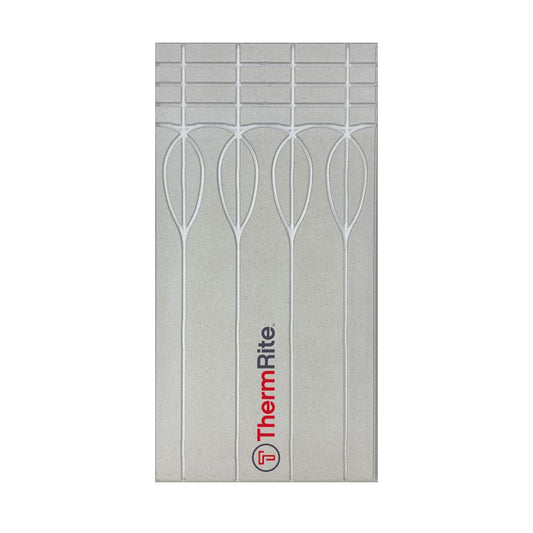
Routed Dry Screed Overlay Board with Turns
Regular price £28.94Regular price -
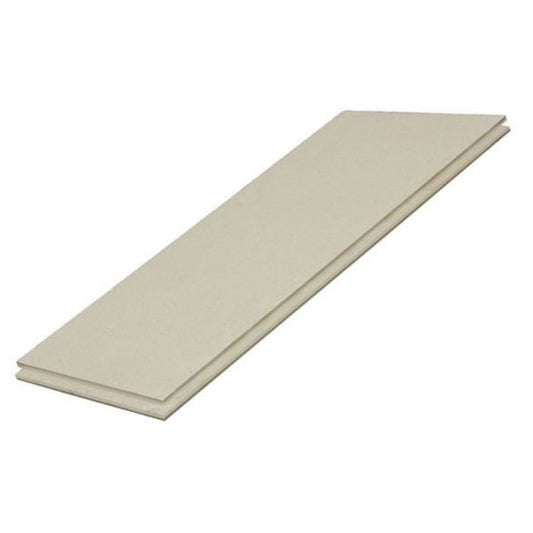
High-Performance Flat Dry Screed Overlay Cement Boards – Non-Routed for Underfloor Heating
Regular price £22.92Regular price -
ProTile20 – 20mm Cementitious Insulation Panel for Underfloor Heating & Tiled Floors
Regular price £10.76Regular price -
Joint Adhesive for Dry Screed Overlay Cement Boards for underfloor heating
Regular price £33.33Regular price -
6mm Tile Backer Board – High strength underfloor heating insulation
Regular price £5.95Regular price -
25mm Gypsum Fibre Structural Floor Panel | Load Bearing & UFH-Ready
Regular price £42.55Regular price -
18mm Gypsum Fibre Structural Floor Panel | Load Bearing & UFH-Ready
Regular price £33.60Regular price

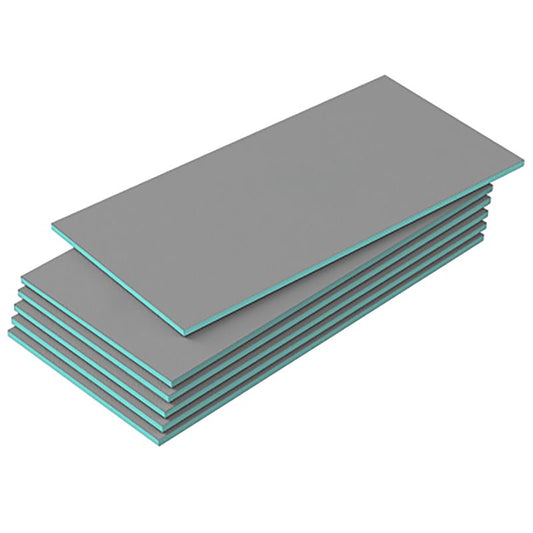
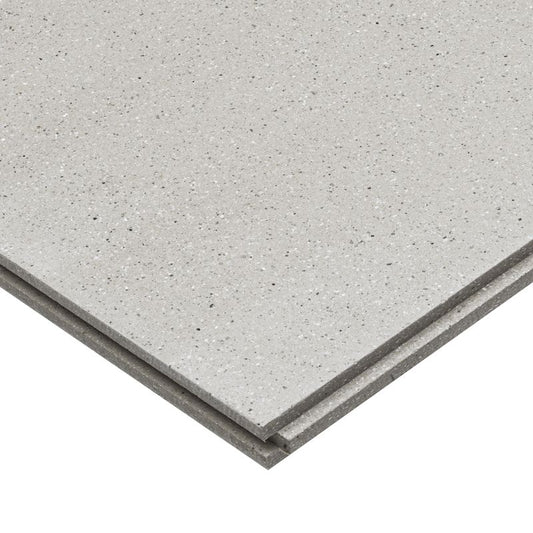
Structural & Routed Cement Boards for Underfloor Heating
Shop structural cement boards, routed dry screed overlay boards, non-routed cement boards, gypsum fibre floor panels, tile backer boards and cementitious UFH panels at ThermRite Shop. These boards are designed to create stable, moisture-resistant and heat-conductive floor build-ups for water underfloor heating and tiled floor installations.
This collection includes routed dry screed overlay boards with turns, flat non-routed dry screed overlay cement boards, ProTile20 cementitious insulation panels, 18mm and 25mm gypsum fibre structural floor panels, 6mm tile backer boards and joint adhesive for dry screed board installations. They are ideal for bathrooms, kitchens, wet areas, retrofit UFH projects, tile-ready floor build-ups and low-profile underfloor heating systems.
Which Cement Board or Structural Panel Should I Choose?
Use the table below to compare the cement boards, routed panels and accessories available in this collection.
| Product | Best For | Key Features | Shop |
|---|---|---|---|
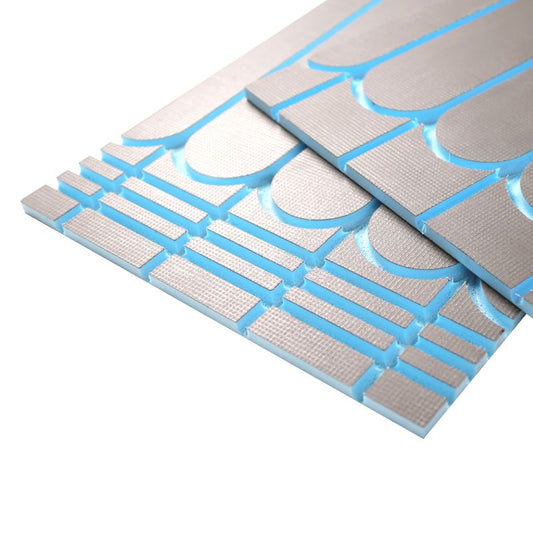
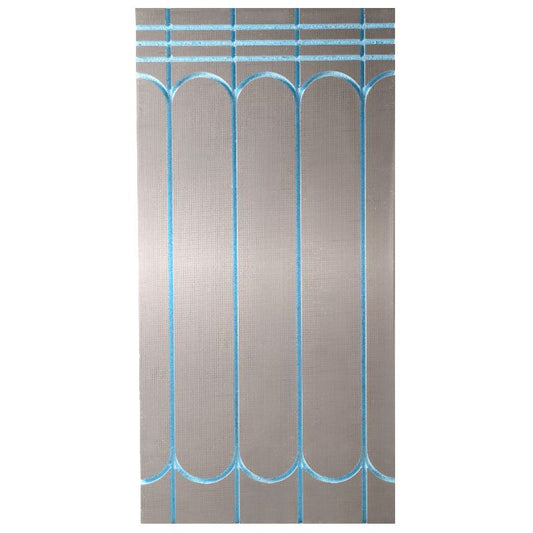
| Routed Dry Screed Overlay Board with Turns | Low-profile water underfloor heating systems requiring routed pipe channels and integrated turns. | 18mm grooved dry screed overlay board for 12mm UFH pipe at 150mm centres. | View routed dry screed board |
| High-Performance Flat Dry Screed Overlay Cement Boards | Creating a stable, tile-ready surface over grooved insulation boards or UFH floor build-ups. | Non-routed cement overlay board with tongue-and-groove style interlocking edges for dry screed systems. | View flat cement board |
| ProTile20 Cementitious Insulation Panel | Tile-direct underfloor heating systems needing a robust cementitious panel. | 20mm cementitious insulation panel designed to accept tiled floors directly. | View ProTile20 |
| Joint Adhesive for Dry Screed Overlay Cement Boards | Bonding joints between dry screed cement boards during installation. | Joint adhesive for stable, secure dry screed overlay cement board floor build-ups. | View joint adhesive |
| 6mm Tile Backer Board | Tile floor installations needing a high-strength insulated backer board. | 6mm tile backer board for underfloor heating insulation and tiled floor support. | View tile backer board |
| 25mm Gypsum Fibre Structural Floor Panel | Load-bearing UFH-ready structural floor build-ups where a thicker board is required. | 25mm gypsum fibre floor panel for structural underfloor heating applications. | View 25mm gypsum fibre panel |
| 18mm Gypsum Fibre Structural Floor Panel | Structural UFH-ready floor build-ups where a lower-profile gypsum fibre panel is preferred. | 18mm gypsum fibre floor panel for load-bearing and underfloor heating-ready installations. | View 18mm gypsum fibre panel |
Key Benefits of Cement Boards for UFH & Tiled Floors
| Stable Tile-Ready Surface | Cement and gypsum fibre boards provide a strong, stable base for ceramic, porcelain, stone and tile floor finishes. |
| Moisture-Resistant Performance | Cement-based panels are well suited to bathrooms, kitchens, wet rooms and damp-prone areas where timber-based boards may not be ideal. |
| Low-Profile Dry Screed Systems | Dry screed cement boards help reduce floor build-up compared with traditional screed installations while still providing strength and stability. |
| Efficient Heat Transfer | Cementitious materials help conduct heat effectively, supporting even heat distribution from underfloor heating systems. |
| Routed & Flat Board Options | Choose routed boards for pipe channels or flat cement boards for covering grooved boards and creating a tile-ready surface. |
| Trade & Domestic Use | Suitable for installers, contractors and homeowners fitting underfloor heating in kitchens, bathrooms, renovations and tiled rooms. |
Routed Cement Boards, Flat Cement Boards & Gypsum Fibre Panels Explained
Cement boards and gypsum fibre panels are used to create strong, stable and heat-conductive floor build-ups for underfloor heating. Routed boards include pre-cut pipe channels for UFH pipe, while flat dry screed cement boards are used as a covering or overlay layer. Gypsum fibre structural panels provide load-bearing floor support and can be used where a robust UFH-ready board is required.
| Board Type | What It Does | Best For |
|---|---|---|
| Routed Dry Screed Cement Board | Holds 12mm UFH pipe in pre-cut channels and creates a low-profile dry screed UFH layer. | Low-build-up water UFH systems and tiled floor build-ups. |
| Flat Dry Screed Cement Board | Creates a stable overlay or tile-ready surface above routed boards or UFH build-ups. | Covering grooved boards, tiled floors and moisture-resistant floor construction. |
| ProTile20 Cementitious Panel | Combines insulation and a cementitious tile-ready panel surface. | Direct tile UFH installations, bathrooms and high-use tiled areas. |
| Gypsum Fibre Structural Floor Panel | Provides a load-bearing floor panel suitable for UFH-ready structural floor build-ups. | Structural dry floor systems, robust overlays and renovation projects. |
Best Uses for Structural & Routed Cement Boards
| Bathrooms & Wet Rooms | Cement boards are useful in wet areas because they resist moisture and provide a stable substrate for tile floor finishes. |
| Kitchens & High-Traffic Areas | Strong cementitious and gypsum fibre boards help create durable tiled or structural floors in busy household spaces. |
| Low-Profile Water UFH | Routed dry screed boards and ProTile20 panels help create low-build-up water underfloor heating systems without traditional screed depth. |
| Tile & Stone Floor Finishes | Cement boards and tile backer boards provide a suitable base for ceramic, porcelain, stone and similar hard floor finishes. |
Frequently Asked Questions
| What are cement boards used for in underfloor heating? | Cement boards are used to create a stable, moisture-resistant and heat-conductive floor layer for underfloor heating systems, especially where tiled or stone floor finishes are being installed. |
| What is a routed dry screed overlay board? | A routed dry screed overlay board has pre-cut channels for underfloor heating pipe, allowing a low-profile dry UFH system without a traditional wet screed pour. |
| Can cement boards be tiled over? | Yes, selected cement boards and tile backer boards are designed to accept ceramic, porcelain or stone tiles when installed with the correct adhesive, primer and preparation. |
| Are cement boards suitable for bathrooms? | Yes, cement-based boards are commonly used in bathrooms, kitchens and wet areas because they are stable and moisture resistant compared with timber-based floor boards. |
| What is the difference between routed and non-routed cement boards? | Routed boards include grooves for UFH pipe. Non-routed or flat cement boards are used as cover boards or structural overlay layers to create a stable surface for the final floor finish. |
-

Water Underfloor Heating in 2026: The Top Trends and Smart Upgrades for UK Homes
The shift to water underfloor heating represents something bigger than a change in technology; it is a new benchmark for what people expect from their homes. -

Top 5 Underfloor Heating Trends Transforming UK Homes in 2025
Let's examine the top five underfloor heating trends expected to shape UK homes in 2025, helping you navigate both the current landscape and what's ahead. -

Underfloor Heating vs Radiators in 2025: UK Homeowners Guide
Understanding whether underfloor heating is worth the investment requires careful consideration of your specific circumstances and ambitions. -

Underfloor Heating Trends for 2025: What UK Installers & Homeowners Need to Know
Ready to bring effortless comfort and efficiency to your next project? Explore the options and speak with professionals who understand the modern underfloor heating landscape.


